
Imagine standing knee-deep in a stream as clear as glass, so clear you can count the pebbles under your feet. Yet there’s a story beyond these waters you can’t see. It’s a story of conservation, preservation, human health, and the legacy of these waters on Tribal lands. Learn how the Poarch Creek Indians are working to protect Perdido Creek and its surrounding waterways. Continue reading
November 24, 2026
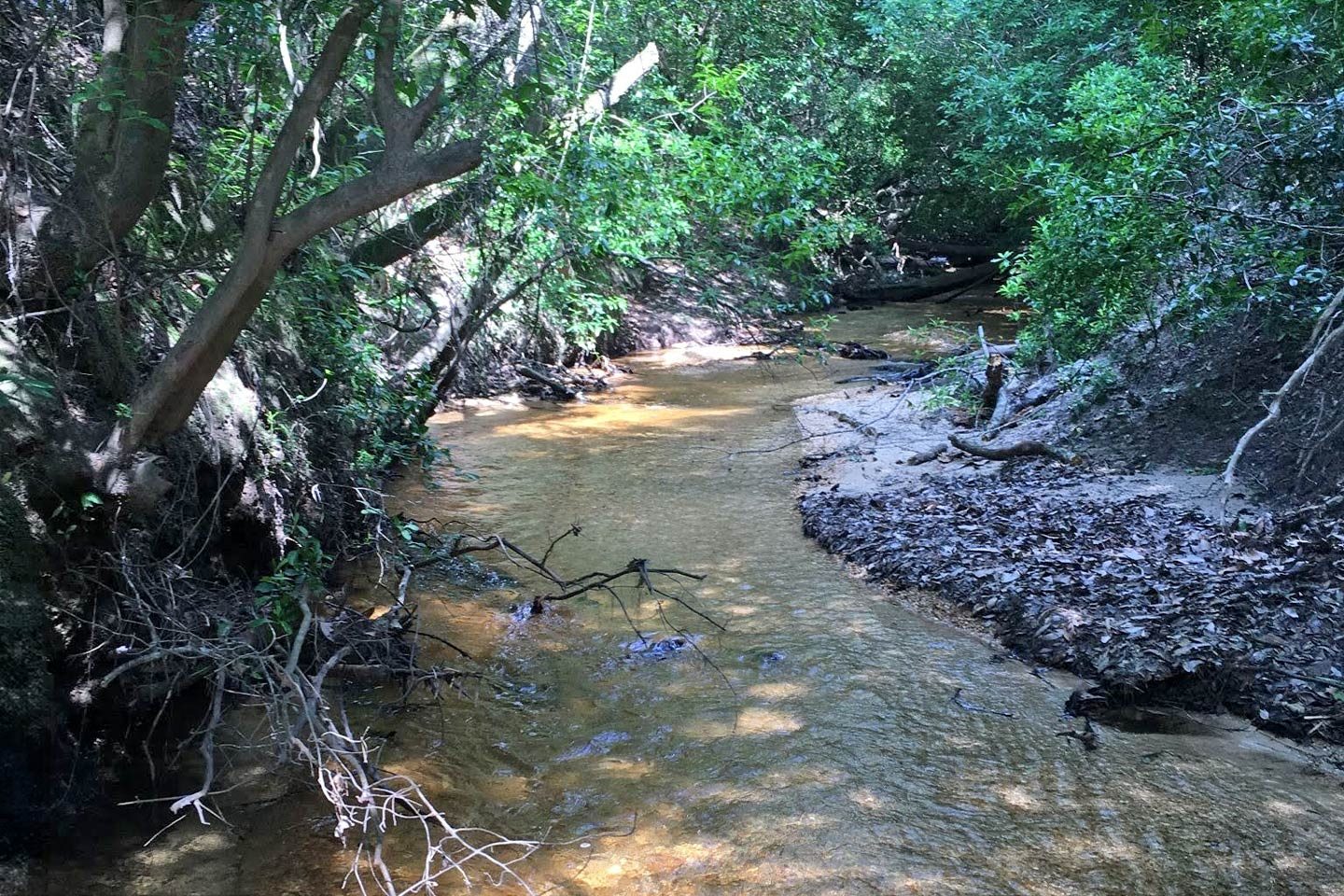
The waterways that flow through the Tribe’s traditional homelands, now known as the state of Alabama, hold deep cultural and historical significance. Today, places like Magnolia Branch Wildlife Reserve offer opportunities for swimming, hiking and other outdoor activities, allowing Tribal Citizens and visitors to enjoy the natural environment that has been part of the Tribe’s history for generations.
During Native American Heritage Month, the Poarch Creek Indians are highlighting efforts to protect the waterways surrounding their homeland. For the Tribe, these efforts go beyond environmental conservation. They are also about preserving places that have played an important role in the Tribe’s history.
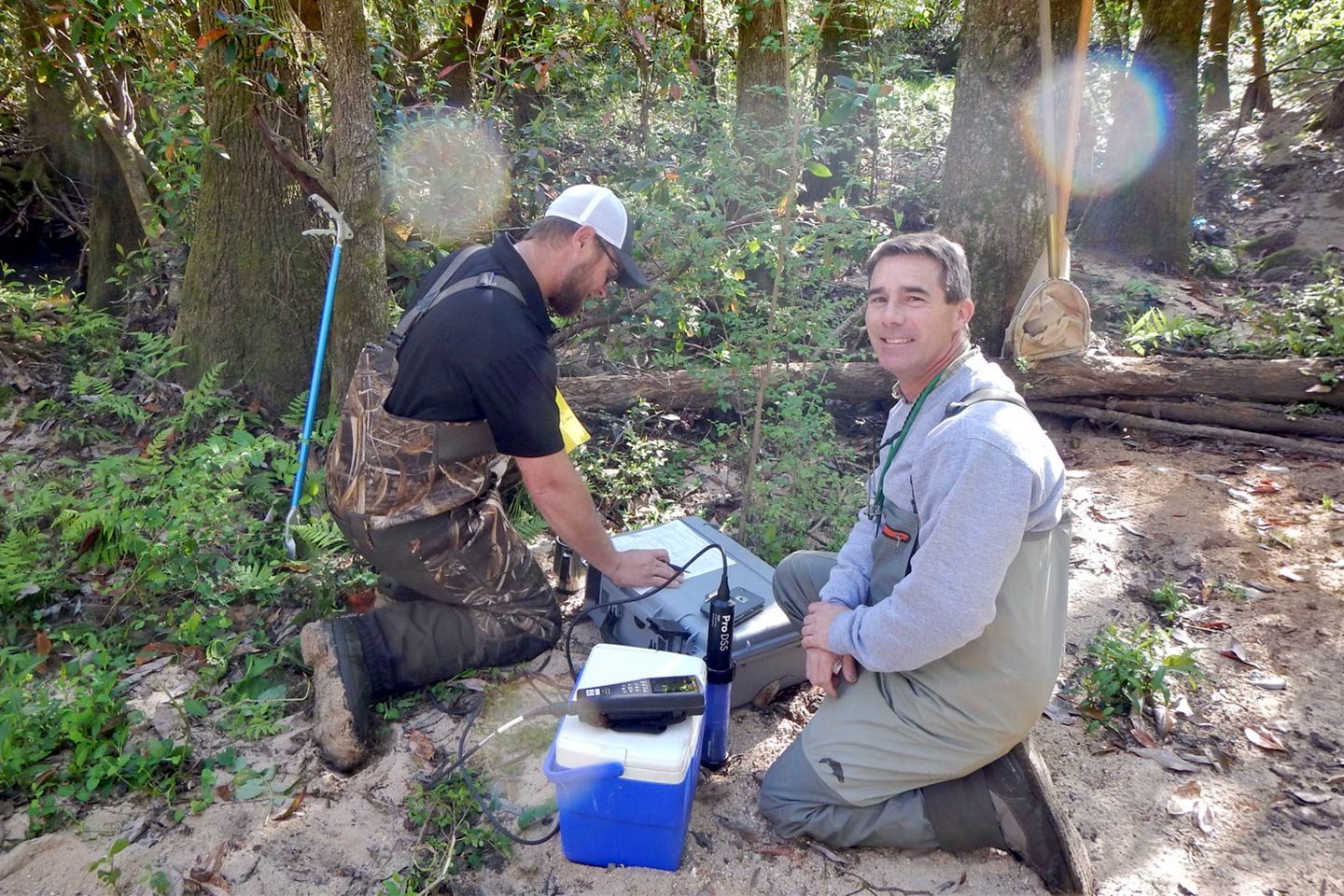
That commitment guides the work of Chris Head, Manager of Environmental Protection for the Poarch Creek Indians, and the Tribe’s Environmental Department as they work to protect the headwaters of Perdido Creek and the surrounding watershed.
The environmental protection team has been watching over these waters for nearly a decade. The team is currently overseeing the design of a major stream restoration project focused on the headwaters of Perdido Creek. The project received a $708,000 grant from the National Fish and Wildlife Foundation (NFWF) through its National Coastal Resilience Fund.
The Tribe recently completed a new conceptual design for the Perdido Creek restoration project. The Environmental Department is working with engineers to reach the 30% design stage before moving forward with additional drawings and discussions with regulatory agencies.
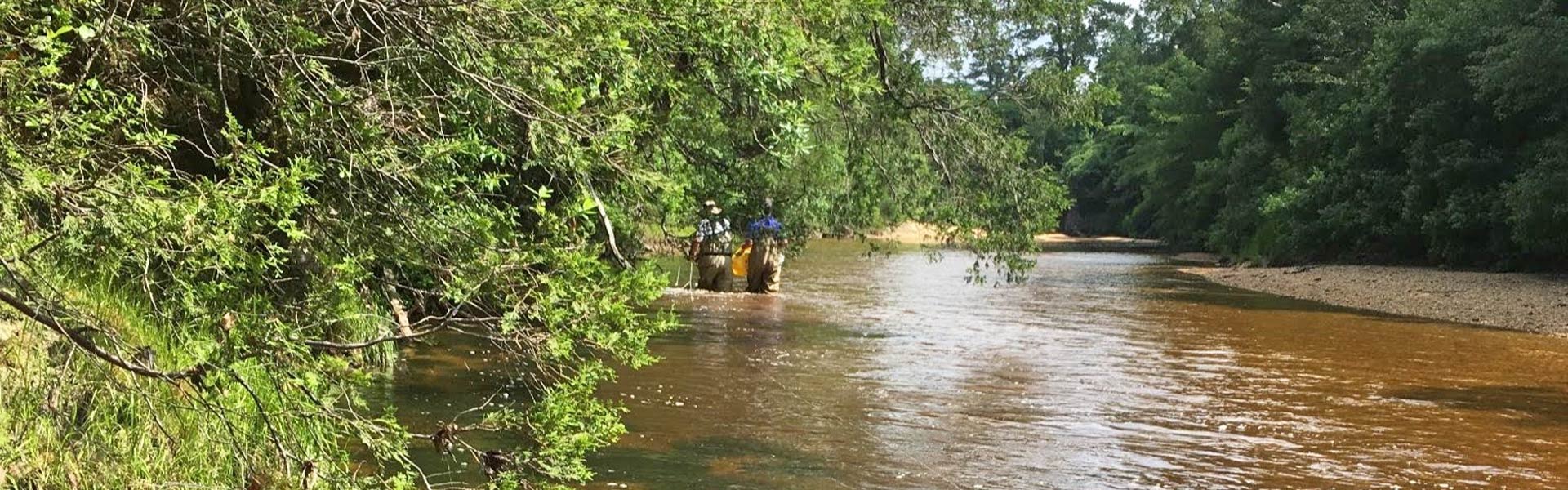
Protecting the surrounding watershed also means preserving its wetlands. These areas serve as natural buffers that help mitigate sediment runoff from logging, mining, construction and agricultural operations. Preserving wetlands also helps protect aquatic habitats and the species that depend on them.
Beyond restoration planning, the Tribe’s environmental protection efforts include ongoing water quality monitoring in the Perdido and Escambia watersheds. “We already sample for pathogens and other parameters in both the Perdido and Escambia watersheds. So why not work together on this project and do a little extra collection to get a better and broader picture of the entire watershed, from the headwaters to the bay,” Head said. Through partnerships with organizations such as the Pensacola and Perdido Bays Estuary Program (PPBEP), the Tribe contributes to regional efforts to monitor water quality, identify potential environmental concerns and protect the health of surrounding watersheds.
For Tribal Bill Pay login assistance, contact Candy Byrd at (251) 368-9136 ext 2006 or cbyrd@pci-nsn.gov
The Roundhouse is accessible to Tribal Citizens and Tribal Government Employees only. For login assistance, please email internalcomms@pci-nsn.gov or call Internal Communications at (251) 368-9136.