

Poarch 101: Unmarked but Not Forgotten — A History of New Home and Judson Cemeteries and the Lives They Hold
Share this:
Tucked into the wooded hills and quiet backroads of southern Alabama lie the New Home and Judson Cemeteries—sacred grounds that hold far more than the remains of those who came before us. These are places where our ancestors rest, where our community’s story endures, and where the land itself whispers the names of people who refused to disappear.
Through the work of the Tribal Historic Preservation Office, we have come to see these cemeteries not only as burial sites but as living landscapes of memory and identity. Every unmarked grave represents a life once lived—a story intertwined with our own.
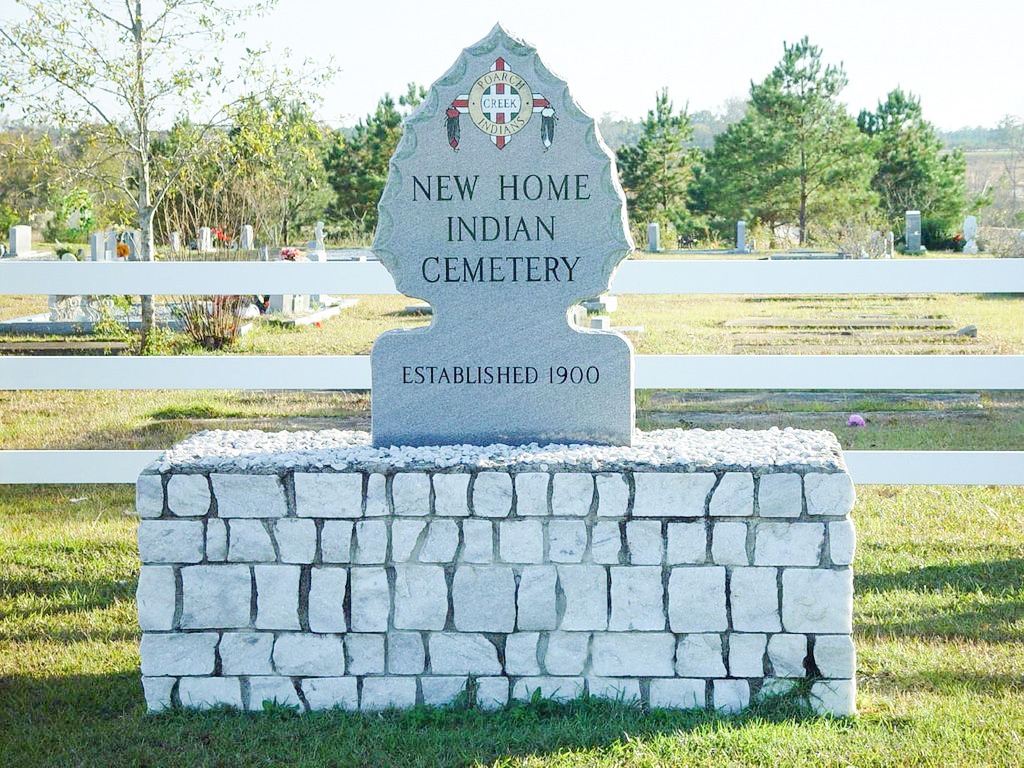
New Home Indian Cemetery.
New Home Cemetery: A Place of Beginnings
New Home Cemetery was established around 1910, with its earliest known burials—John Joe Francis McGhee and Eliza Rolin—taking place in 1915. Those graves, still unmarked, are quiet reminders of the challenges our ancestors faced in protecting even the most basic expressions of dignity and belonging.
A 1962 photograph shows the old fence line near the infant section. Oral history tells us that the eastern portion once served as a burial area linked to a prison farm. The surrounding land was first homesteaded by John F. McGhee in 1900. Census records trace his movement from Jeddo (Cvto) to Hog Fork, reflecting how Creek families sought refuge from racial violence and displacement in the decades after Reconstruction.
Over the years, the cemetery has been called by many names—Cemetery in Indianville, Hog Fork Indian Cemetery, Hog Waller, and McGheeville Cemetery. These shifting labels mirror the persistence of our families to hold on to identity even as the wider world tried to erase it.
Remembering Isaac McGhee
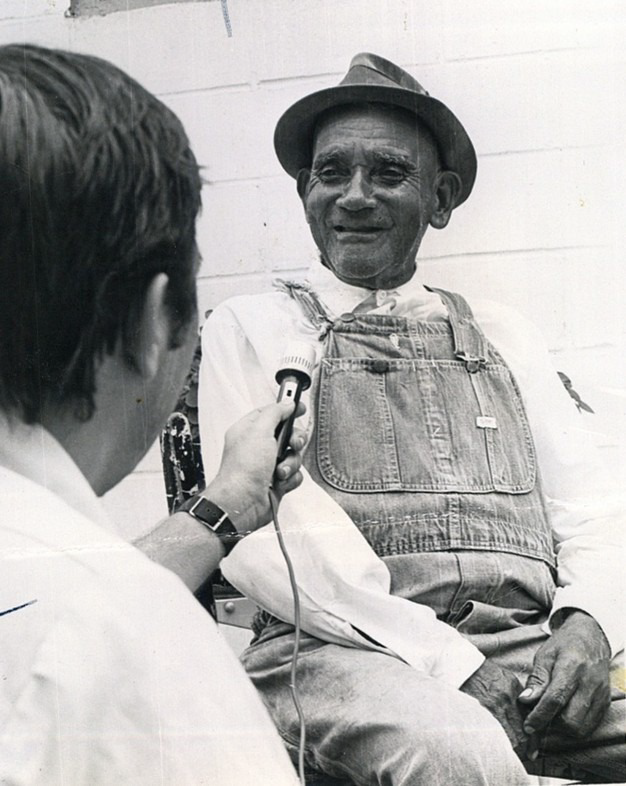
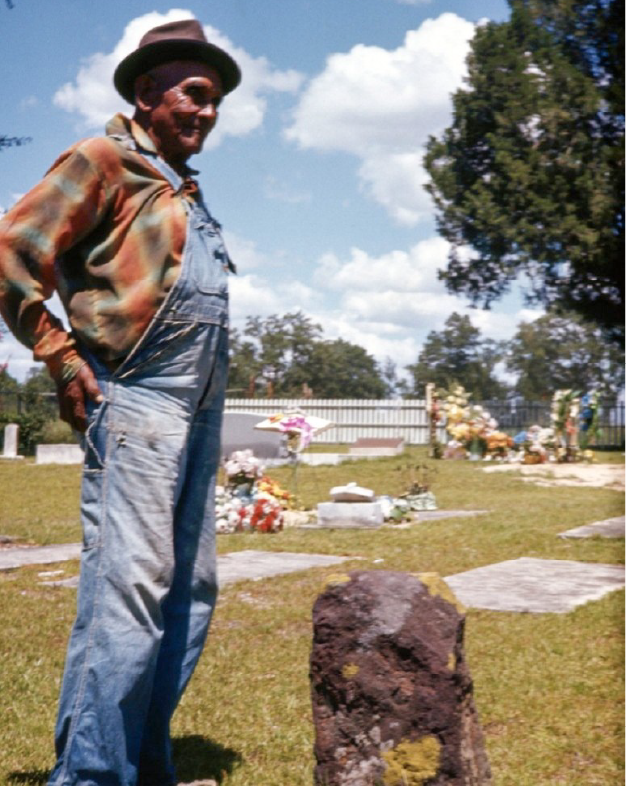
One of those unmarked graves belongs to Isaac McGhee, born around 1890 to Polly Louisa Gibson and John Joe Francis McGhee. Though his resting place bears no stone, his life remains vivid through stories passed down and an oral history recorded by anthropologist J. Anthony Paredes in 1972.
Isaac grew up in the Hog Fork community. His father, a fluent speaker of Mvskoke (Creek), taught him traditional skills—crafting flint tools, bows, and arrows; hunting and fishing; building baskets and corn cribs. Because of a bad foot, Isaac couldn’t walk long distances and attended school only ten days. Yet he possessed a deep intelligence about survival and the land. “If you’ve got it in your heart to do a thing,” he once said, “the good Lord’ll help you out with it.”
His stories reveal a world where Creek families lived from the land, relied on herbal medicine, and gathered for frolics—community dances blending traditional Stomp Dance rhythms with fiddle music. Isaac remembered how the rivers once ran thick with rock fish until dynamite fishing destroyed them, and how his father told of passenger pigeons so numerous they darkened the sun.
Isaac never married but was known as a beloved uncle and storyteller. He died July 27, 1973, and was buried at New Home Cemetery. There is still no marker on his grave—but there is memory, and memory endures longer than stone.
Judson Cemetery
Judson Cemetery: Interwoven Histories
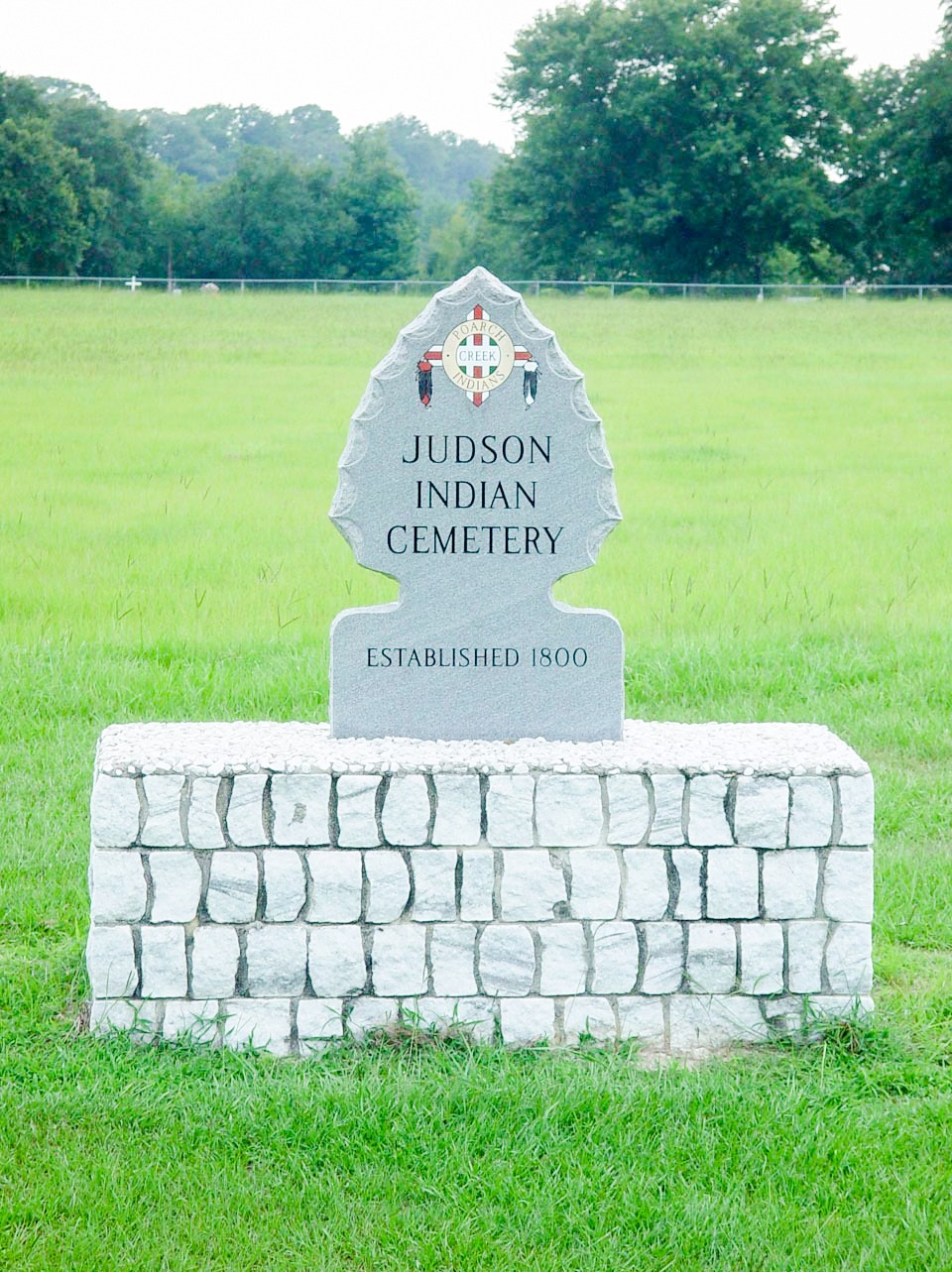
Judson Cemetery, too, carries layers of intertwined history between Creek and African American families. Oral tradition once suggested that Lynn Magee, an early patriarch of the Poarch Creek community, was buried there. However, archival research shows the land was donated by Joseph and Serene (Sarah) Coley, African American neighbors who gifted part of their homestead as a burial ground before Joseph’s death in 1920. Both are buried there—unmarked.
This place, known historically as Headapedea or Taittsville, sits near the head of Perdido Creek and carries the legacy of David Tate, a prominent Creek leader who freed enslaved people and granted land and cattle to Lynn Magee. The surrounding area became home to Creek families displaced by war, segregation, and land loss. Today, only 36 burials are documented between 1847 and 1920, yet the ground itself speaks of hundreds more lives once rooted there.
Judson Cemetery stands as quiet proof of shared survival—the coming together of Creek and African American families who refused to let hardship erase their humanity.
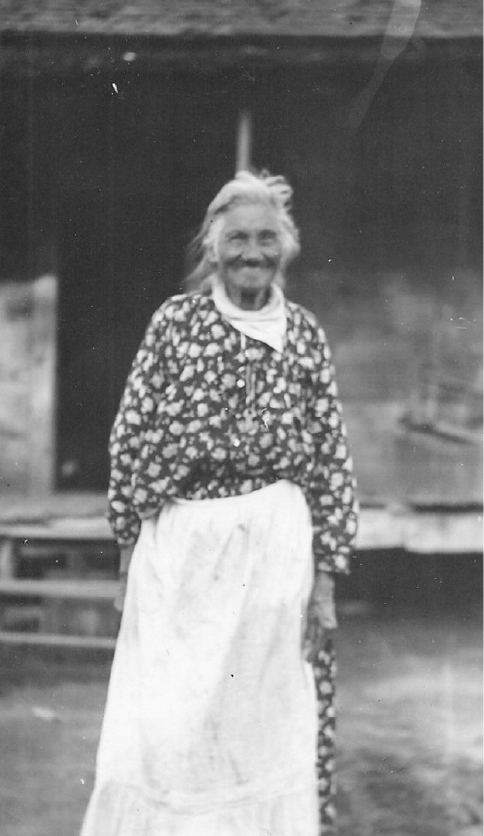
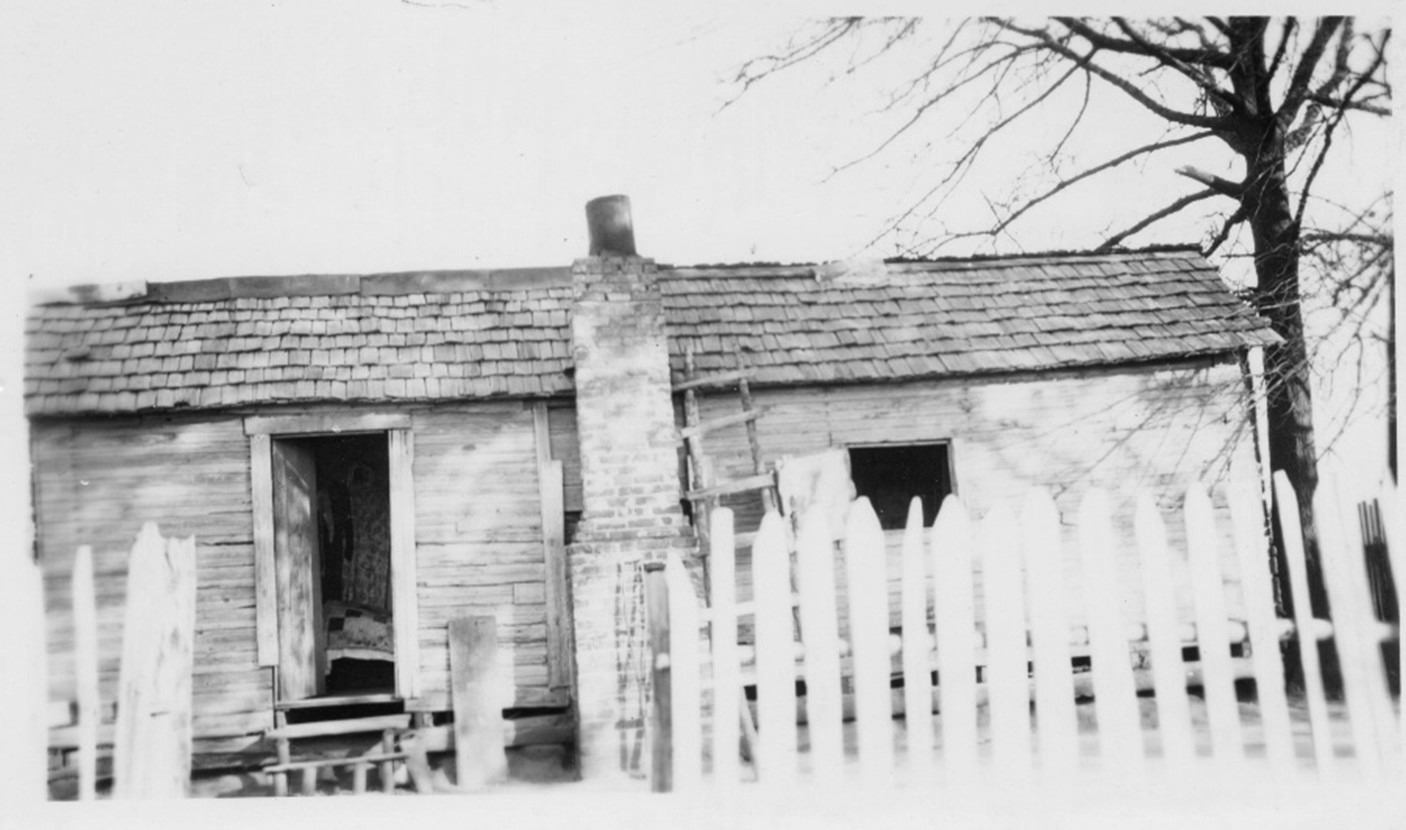
Remembering Virginia “Jennie” Rolin Dewise
Among those resting at Judson without a marker is Virginia “Jennie” Rolin Dewise, born 1855 to the Coon (Rolin)family. Her lineage reaches back to Jack Coon and Mary Polly Moniac, and to Jack McGhee, the son of Lynn McGhee.
Jennie married Westley “West” Dewise in 1893. Both were Creek. She worked as a washerwoman to support their household, while West, a Civil War veteran, later drew a pension that Jennie continued to receive for 42 years. In 1941, anthropologist Frank Speck photographed her home near St. Anna’s Church, calling it an “Indian hut, very old.” He believed she was over 100 years old at the time.
Jennie died February 16, 1941, at age 86. West had preceded her in 1925. Both rest at Judson Cemetery, their graves unmarked. Their daughter Livvie (Olivea) and granddaughter Mazie carried their legacy forward—Mazie, blind from childhood, learned to read braille and was known for her wisdom and humor. She rests at Poarch Baptist Cemetery.
Through these stories, we see that the people beneath the unmarked earth were not forgotten—they are our grandmothers and grandfathers, the foundation of who we are.
Our Continuing Work to Remember
In our office, we often say that every name we recover is an act of restoration. Our team is working to identify individuals buried without markers at Judson, New Home, and Huxford cemeteries. Many of these burials took place generations ago, but each deserves recognition and care.
If you believe your ancestors may be among them, please contact us. Your family stories can help us ensure every Tribal Citizen and community member is remembered with dignity.
Call: Billy Bailey, Tribal Historic Preservation Officer – (251) 368-9136 ext. 2075
Email: THPOGroup@pci-nsn.gov
We invite all families to share memories, photographs, or locations of unmarked graves. Together, we can ensure these sacred resting places remain part of our living history.
Why It Matters
The unmarked graves at New Home and Judson Cemeteries tell a story of persistence. Our ancestors endured forced removal, segregation, and poverty—yet they stayed, built families, and sustained our culture.
Their resting places remind us that history lives not only in archives but in the ground beneath our feet. When we say “unmarked but not forgotten,” we affirm that our people’s lives will continue to be spoken, honored, and remembered by name.
We protect these sites so our future generations will know: We are Poarch Creek. We honor our ancestors. And their story will always be ours to tell.