
Native American Heritage Month (NAHM) celebrates the histories, cultures and contributions of Native peoples while recognizing the resilience and continued progress of Tribal Nations. Continue reading
November 9, 2026
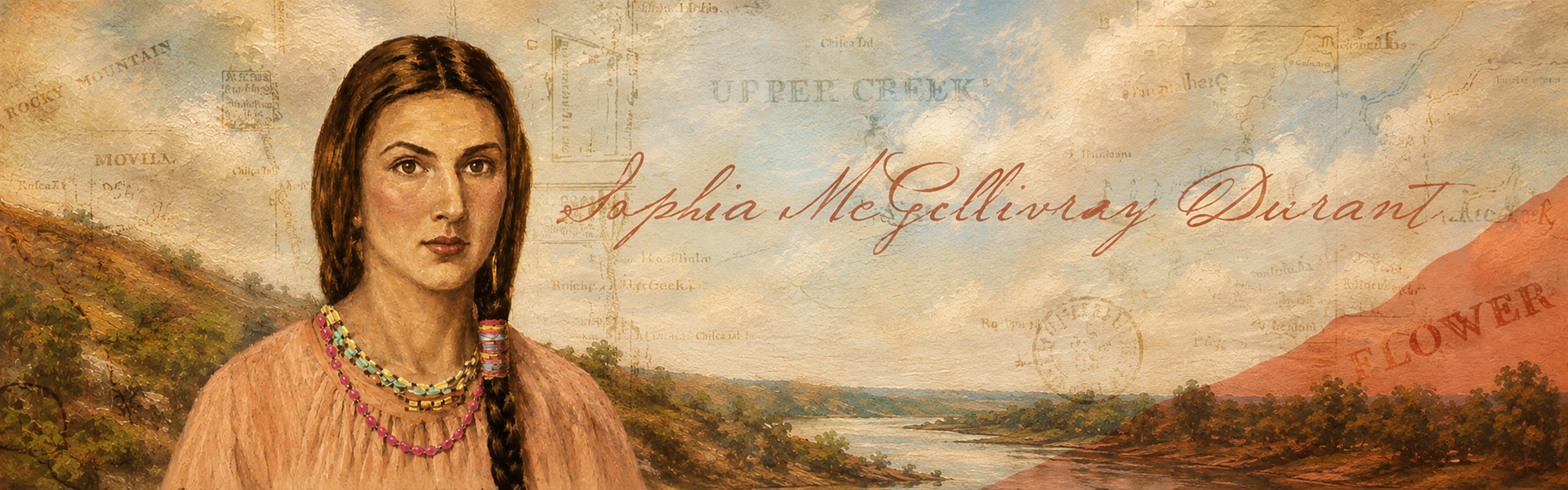
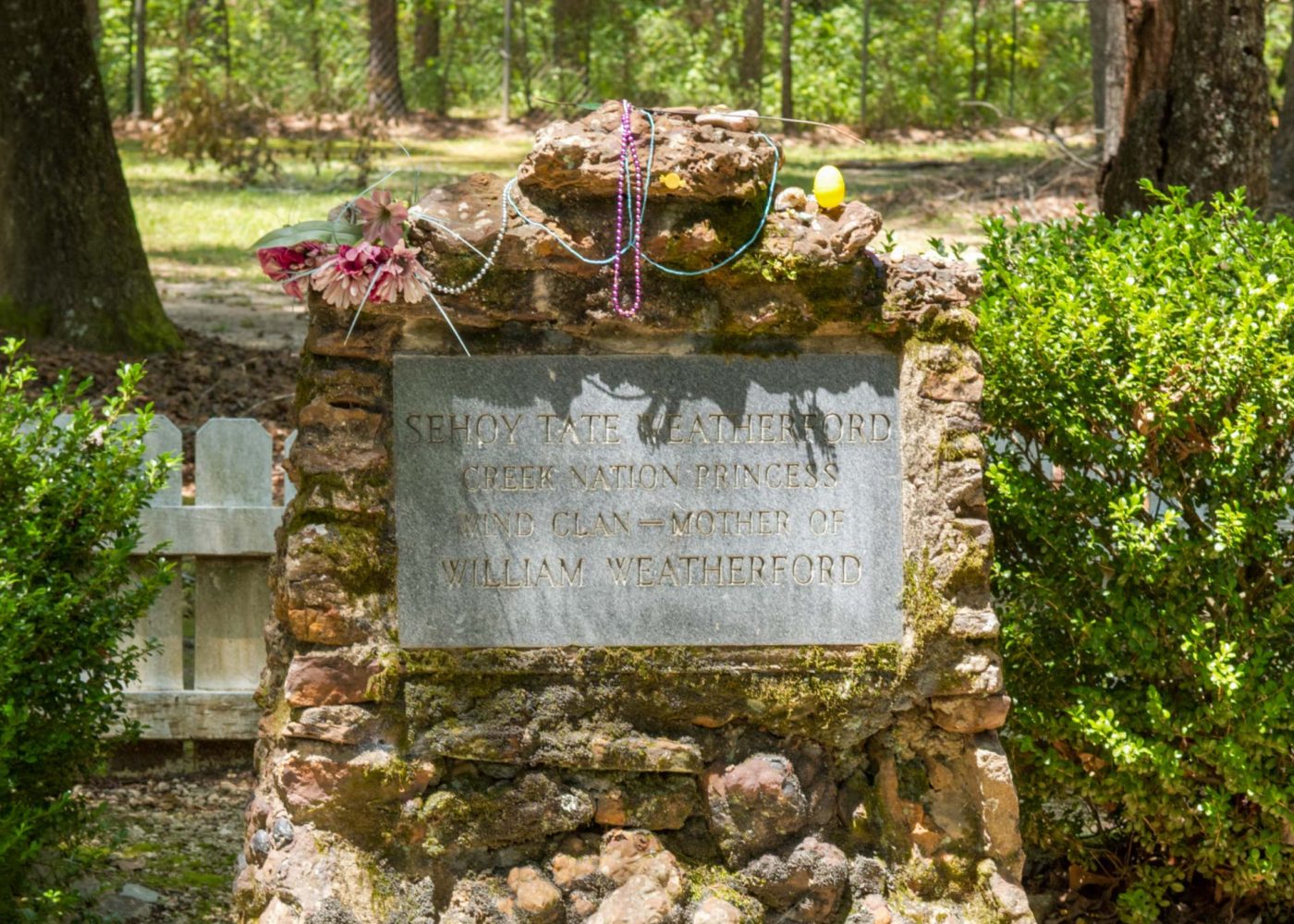
Long before Alabama became a state, Creek families lived along the Coosa, Tallapoosa and Alabama rivers. Among them were generations of women whose strength, leadership and family connections helped preserve their people’s ties to their homeland through centuries of change.
The stories of Sehoy, Sehoy McGillivray, Sophia McGillivray Durant, Sehoy Weatherford and Elizabeth Weatherford Moniac reveal a family lineage that endured colonial expansion, warfare and the loss of ancestral lands. Together, these women represent a legacy of resilience that remains part of the Poarch Creek Indians’ story.
In Creek society, maternal lineage and clan connections played an important role in family identity, community leadership and ties to the land. Sehoy, a member of the Wind Clan (Hotvlkvlke), lived in the late 1600s and early 1700s among Alabama and Koasati peoples near the confluence of the Coosa and Tallapoosa rivers.
As European powers expanded into the region, Native communities faced profound changes. Sehoy’s daughter, Sehoy McGillivray, carried the family’s legacy into this changing world. Her children included Alexander McGillivray, a prominent Creek diplomat, and Sophia McGillivray Durant, who became a respected voice in Creek affairs.
Sophia demonstrated her leadership in 1790 when she rode more than 150 miles on horseback to address rising tensions near the Tensaw, helping prevent bloodshed. Her actions reflected the important role Creek women held in protecting their families and communities during uncertain times.
That strength continued through Sophia’s sister, Sehoy Weatherford, who maintained connections among Creek communities as a trader and raised children who would become significant figures in Creek history. Her daughter, Elizabeth Weatherford Moniac, faced some of the most difficult challenges in the family’s history.
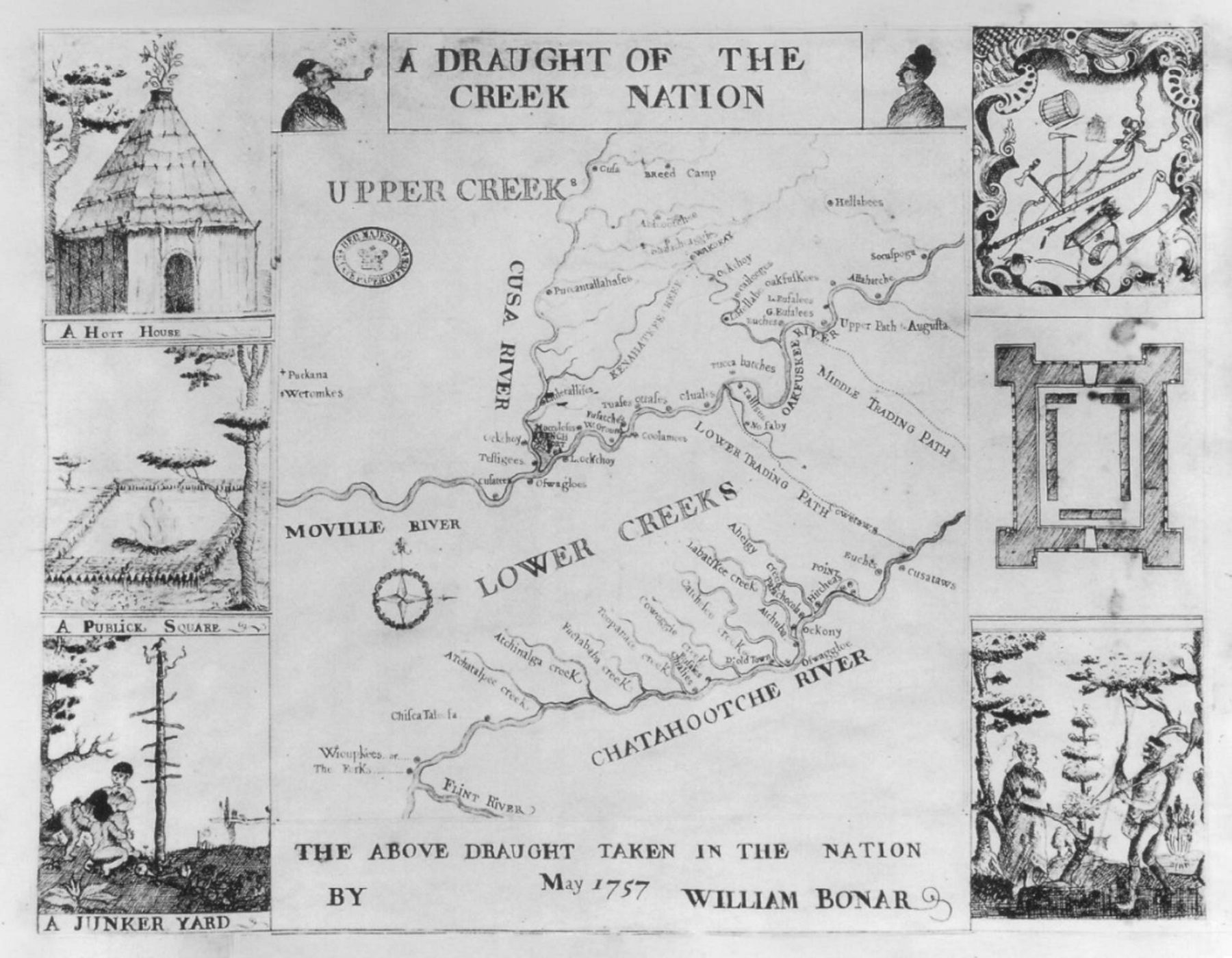
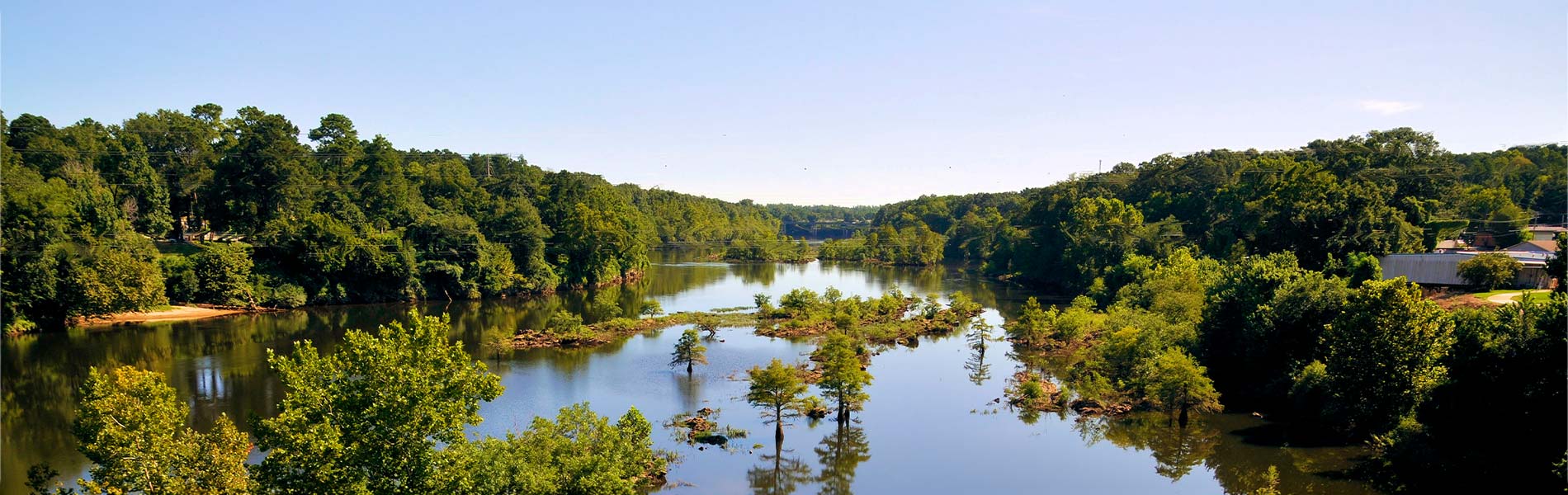
Born in 1779, Elizabeth Weatherford Moniac lived through the Creek War, the loss of ancestral lands and the era of Indian Removal. As many Creek families were forced to leave their homeland, Elizabeth remained in Alabama. Her descendants continued the family line, including connections to families associated with today’s Poarch Creek community. Elizabeth is believed to be buried at Judson Indian Cemetery in Poarch, Alabama, providing a lasting connection to the land her family had called home for generations.
Her story reflects a broader truth about the Tribe’s history. Native continuity was sustained not only by prominent leaders and recorded events, but also by families who endured, raised children and maintained their connections to their homeland.
The legacy of these women is a reminder that Creek history is not only about wars, treaties and changing borders. It is also about the mothers, daughters and grandmothers whose determination helped sustain their people and preserve a connection to Alabama.
Today, the Poarch Creek Indians carry that history forward as a sovereign Tribal Nation. The resilience of earlier generations continues to inform the Tribe’s commitment to cultural preservation, community well-being and opportunities for future generations.
Through initiatives in education, healthcare, cultural preservation and economic development, the Poarch Creek Indians create opportunities for Tribal Citizens while contributing to surrounding communities, the state of Alabama and Indian Country. These efforts demonstrate how honoring heritage and investing in the future can work hand in hand.
During Native American Heritage Month, the Poarch Creek Indians celebrate both the history that shaped their community and the progress Native peoples continue to make. By connecting the stories of its ancestors to the broader Native American experience, the Tribe reinforces shared values of resilience, heritage and community while highlighting the enduring contributions of Tribal Nations.
The women who came before helped ensure their family’s story would continue. Today, their descendants carry that legacy forward, preserving their identity, strengthening their communities and building a future grounded in the homeland their ancestors never forgot.
Their roots remain in Alabama. Their legacy lives on in Poarch.
For Tribal Bill Pay login assistance, contact Candy Byrd at (251) 368-9136 ext 2006 or cbyrd@pci-nsn.gov
The Roundhouse is accessible to Tribal Citizens and Tribal Government Employees only. For login assistance, please email internalcomms@pci-nsn.gov or call Internal Communications at (251) 368-9136.