
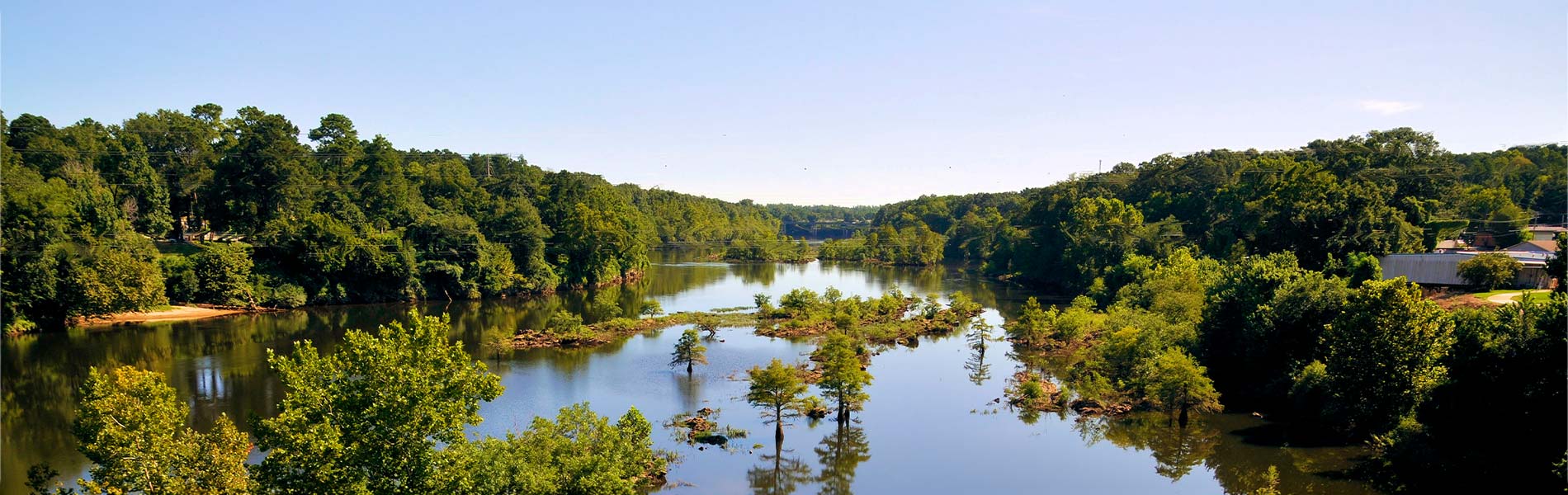
Near Montgomery, the Coosa and Tallapoosa Rivers come together to form the Alabama River. For centuries, the waterways surrounding this confluence connected Creek towns, families and generations. They also connect the stories of five remarkable women whose lives span nearly four centuries of change, from European colonization and the birth of the United States to the Creek War and Indian Removal. Through it all, their family maintained its connection to the same ancestral homeland. Continue reading
October 29, 2026
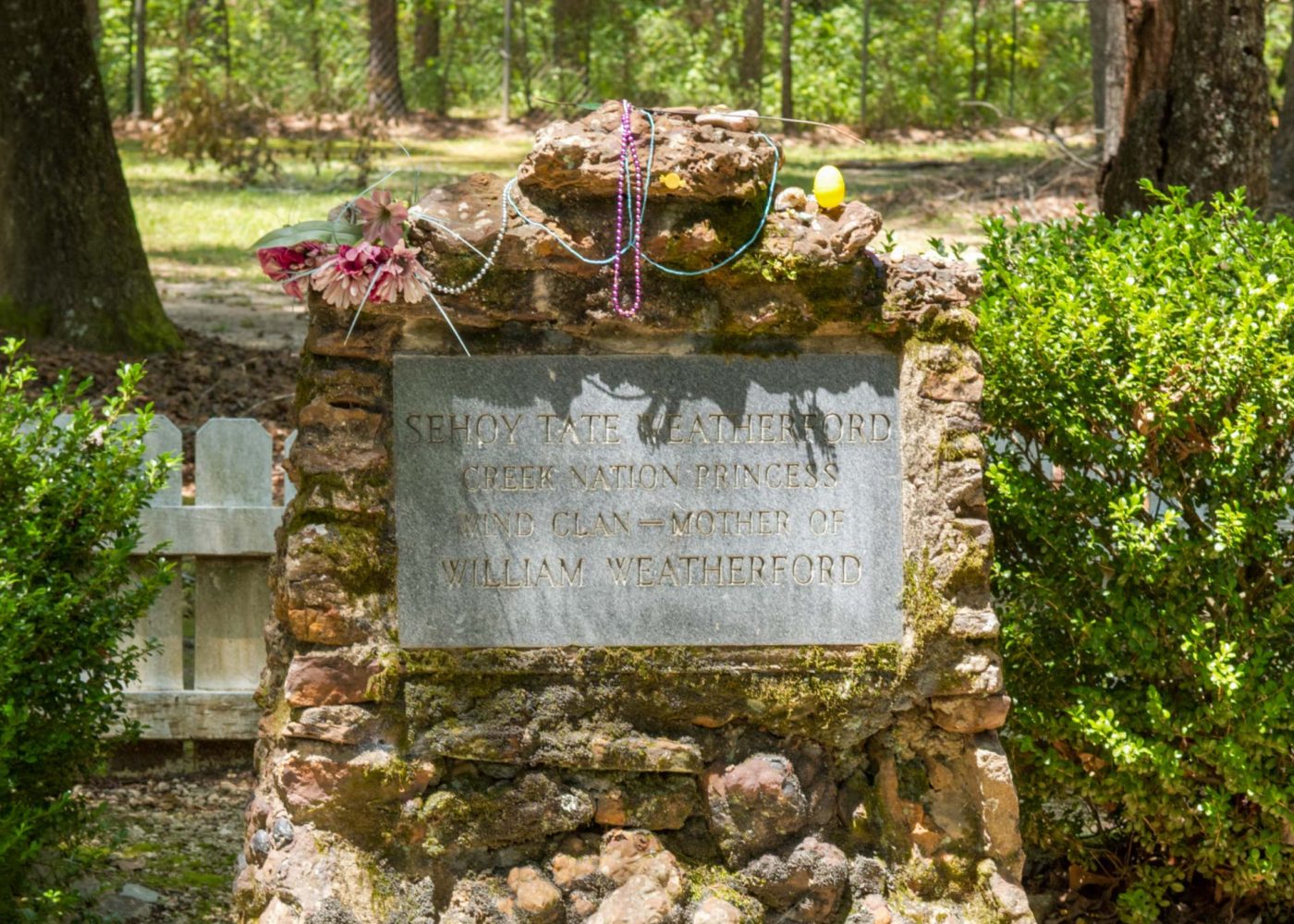
Living in the late 1600s and early 1700s, Sehoy belonged to the Wind Clan, or Hotvlkvlke. In Creek society, family and clan identity passed through the mother, with land rights, relationships and authority following these matrilineal lines.
That makes Sehoy more than the beginning of a family tree. She represents the beginning of a documented continuity. Her homeland lay among the Alabama and Koasati communities surrounding the Coosa and Tallapoosa Rivers. Her daughter, also named Sehoy, inherited that connection and passed it to another generation.
Sehoy McGillivray lived as France, Britain and Spain competed for influence throughout Creek country. Her children included Alexander McGillivray, who would become one of the Creek Nation’s most influential diplomats, and his sister Sophia McGillivray.
Their mother’s Wind Clan lineage gave the family something European titles could not: standing within Creek society and rights connected to their ancestral land. Among Sehoy’s children, Sophia would become a formidable leader in her own right.
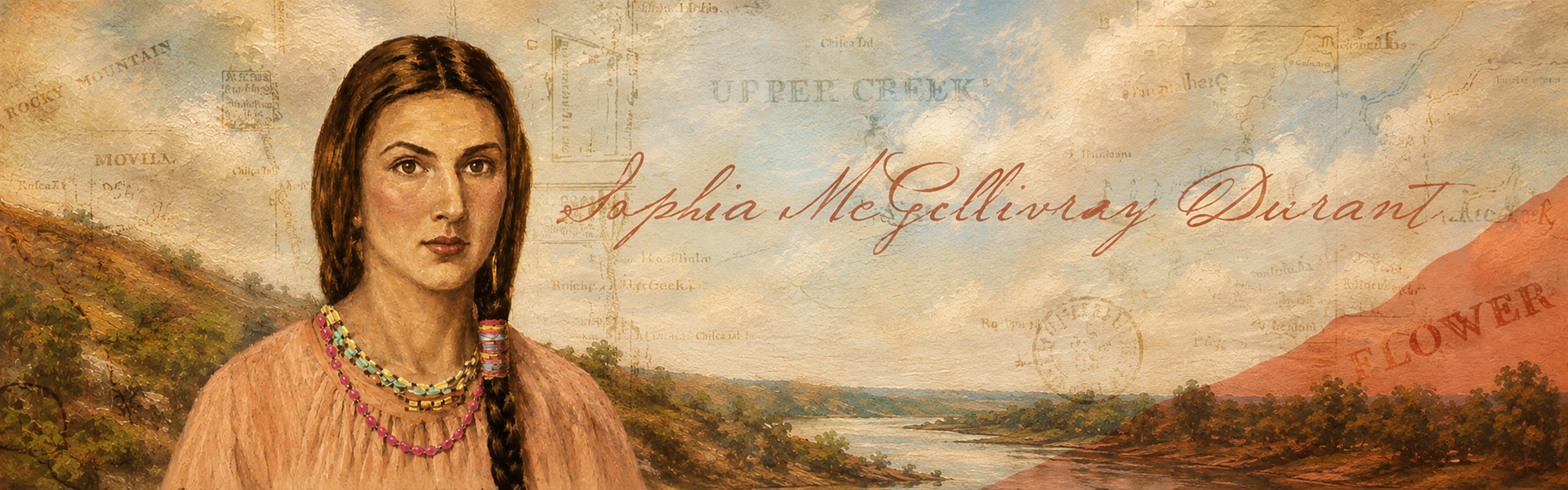
Historical accounts describe Sophia McGillivray Durant as a woman whose authority rivaled that of her famous brother. She was multilingual, respected in council and deeply connected to Hickory Ground. When Alexander addressed Creek leaders, Sophia sometimes delivered his words in the Creek language. But she did far more than speak for her brother.
In 1790, with tensions rising between Creeks and nearby settlers, Sophia reportedly traveled more than 150 miles on horseback from Little River to Hickory Ground while eight months pregnant. There, she confronted Creek leaders, helped prevent an attack and secured the arrest of those responsible for the threat. Two weeks later, she gave birth to twins.
Her authority was not simply remembered. Creek leaders formally documented Sophia’s rights to an enormous territory extending through portions of what is now Alabama. On one surviving document, Creek chiefs and headmen described Sophia as their “well beloved kinswoman” and granted the land to Sophia, her heirs and assigns forever.
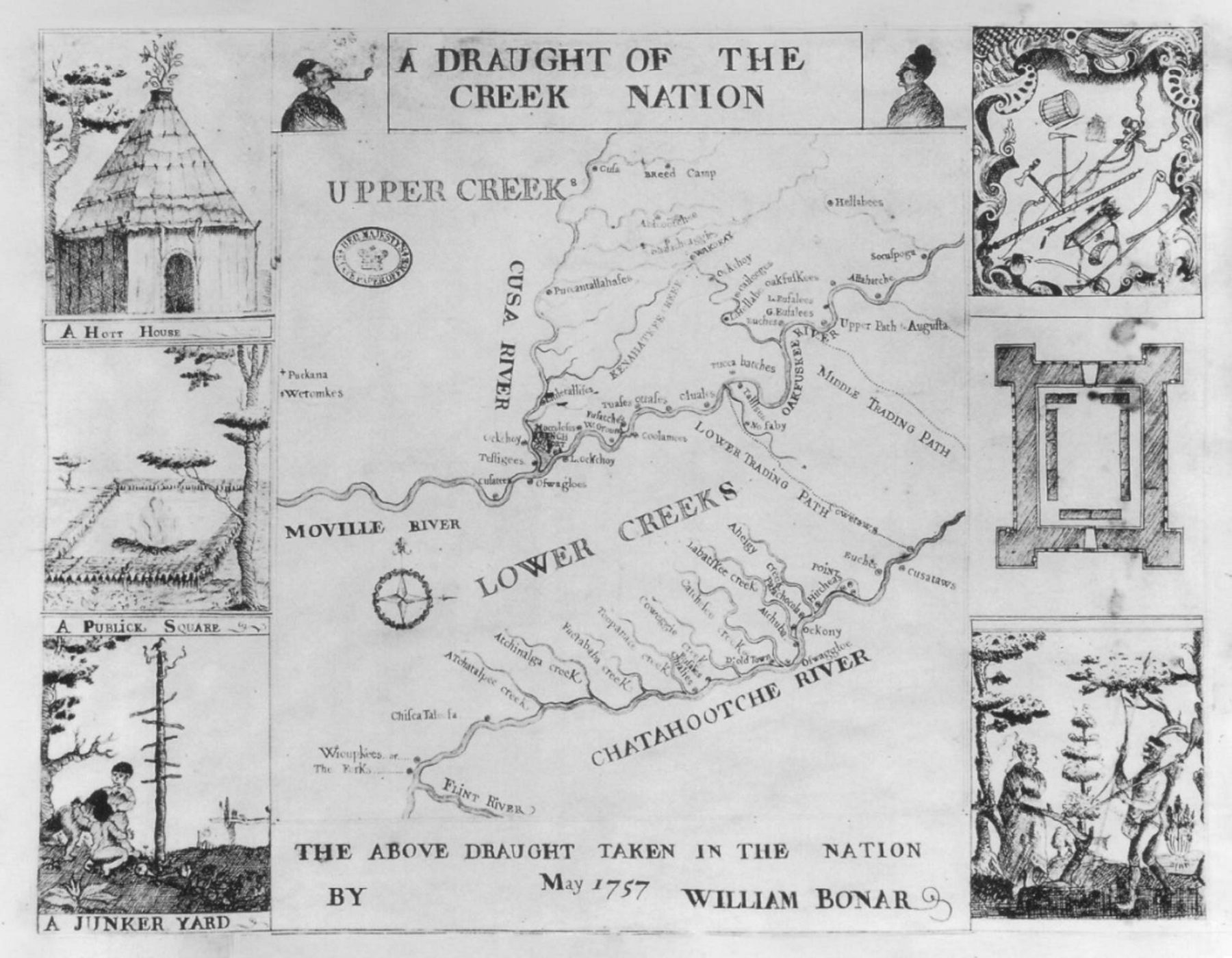
Sophia’s sister Sehoy Weatherford carried the same Wind Clan lineage into another branch of the family. She became a trader and maintained economic relationships of her own at a time when colonial pressure on Creek country was increasing. In 1799, she inherited the property of her brother Malcolm, Mekko of Hickory Ground, in keeping with Creek matrilineal custom.
Her children included William Weatherford, who became a prominent Red Stick leader during the Creek War, and Elizabeth “Betsy” Weatherford, whose story would become critical to the survival of the lineage in Alabama.
By the early 1800s, the world surrounding these families was changing violently. The Creek War divided towns and even families. Land cessions reduced the Creek homeland, and the Indian Removal Act of 1830 brought another devastating period as thousands of Native people were forced west.
Elizabeth Weatherford Moniac stayed.
Her husband, Samuel Moniac, died while traveling with a detachment of Creek people during Removal. Other members of the family attempted to leave or became caught in the conflicts surrounding them, but Elizabeth remained in Alabama. She is believed to be buried at Judson Indian Cemetery in Poarch, among the many unmarked graves there.
Through Elizabeth and other Creek ancestors who remained, families continued living in and around what became the Poarch community.
Native American history is often told through wars, treaties and removal, but those events are only part of this story. It is also the story of mothers and daughters who carried identity from one generation to another — women who negotiated, traded, traveled, spoke in council, raised families and maintained their connection to their homeland while the world around them changed.
Sehoy.
Sehoy McGillivray.
Sophia McGillivray Durant.
Sehoy Weatherford.
Elizabeth Weatherford Moniac.
Five women separated by generations, connected by one continuous line. Nearly four centuries after the first Sehoy lived along these Alabama waterways, her descendants still call this place home.
They did not return to Alabama. They never left.
###
About the Poarch Creek Indians
The Poarch Creek Indians is the only federally recognized tribe in Alabama. From hospitality to aerospace, we continue to operate in a variety of
industries across the World. Read more about our Tribe at poarchcreekindians.org
For Tribal Bill Pay login assistance, contact Candy Byrd at (251) 368-9136 ext 2006 or cbyrd@pci-nsn.gov
The Roundhouse is accessible to Tribal Citizens and Tribal Government Employees only. For login assistance, please email internalcomms@pci-nsn.gov or call Internal Communications at (251) 368-9136.